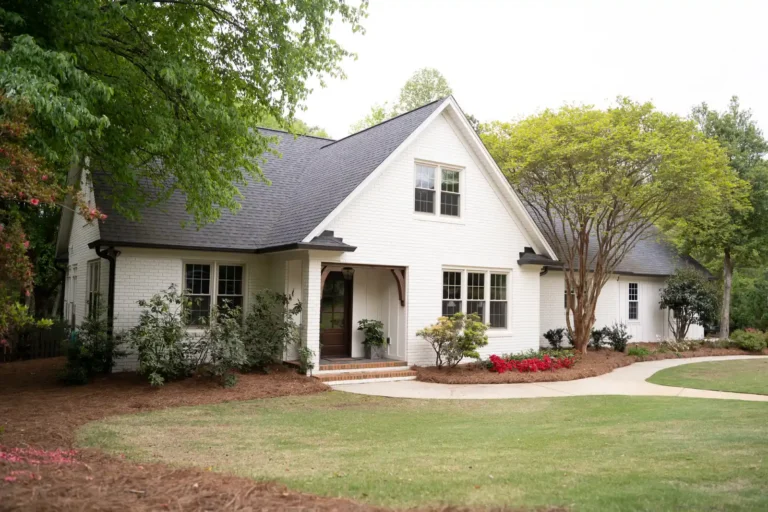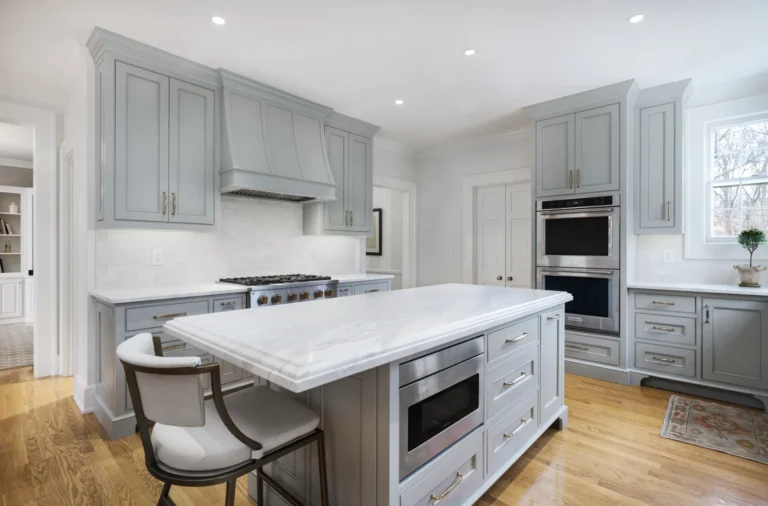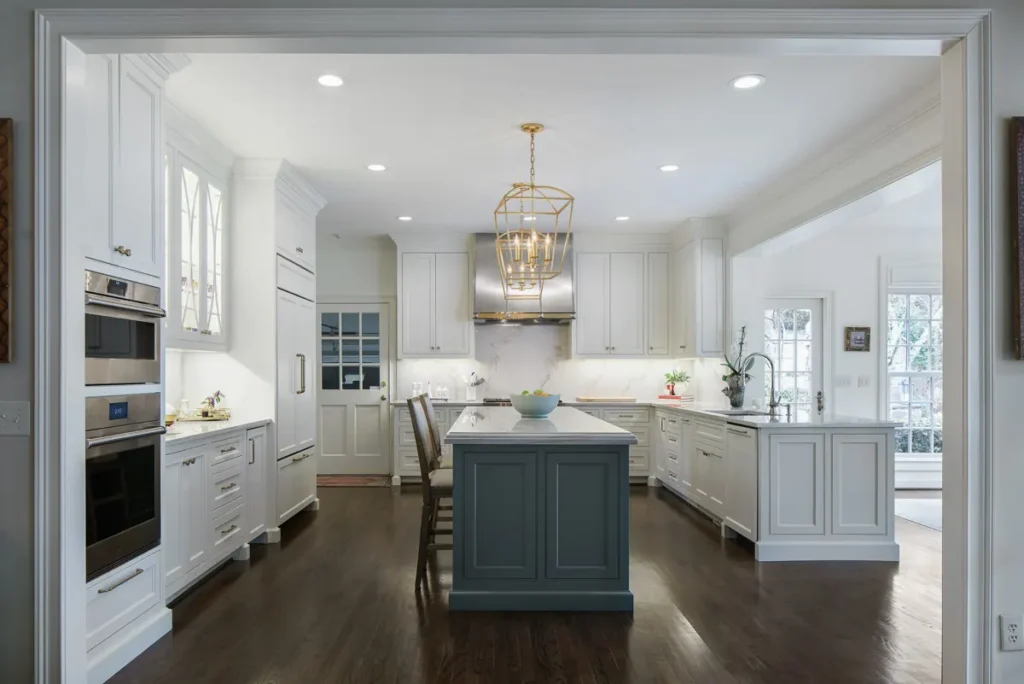
There is a big difference between choosing custom finishes and building a custom home.
Picking your cabinet color, changing the flooring, upgrading the countertops and selecting a few light fixtures can certainly personalize a house. But if the basic home was designed for someone else, those selections only take you so far.
A truly custom home starts much earlier.
It starts with questions like: How does your family actually live? Where do you drop your keys when you come through the door? Do you entertain twenty people at Thanksgiving or avoid hosting at all costs? Does someone work from home? Do the kids take over the kitchen island with homework every afternoon? Does the dog need its own entrance before it destroys another hardwood floor?
Those aren’t glamorous architectural questions.
They’re also exactly the kinds of details that can make a house feel like it was designed specifically for you.
Custom Is More Than Expensive Finishes
One of the easiest misconceptions about custom homes is that “custom” simply means more expensive.
It doesn’t.
You can put an expensive marble countertop in a poorly planned kitchen and still have a poorly planned kitchen.
You can install beautiful hardwood floors in a house where the morning sun blasts directly into the television room every day.
And you can spend a small fortune on cabinetry while somehow still ending up with nowhere convenient to put the toaster.
The difference between a house with expensive finishes and a genuinely custom home is intentional design.
A custom home should solve problems before you move into it.
Start With How You Live
A good custom-home design conversation shouldn’t begin with, “How many bedrooms do you want?”
That’s important, of course. But it shouldn’t be the end of the discussion.
How do you enter the house most often?
If everyone comes through the garage, that entrance may deserve more attention than the front foyer. Maybe you need lockers, shoe storage, a drop zone, a utility sink or a place where muddy paws can be dealt with before they make it to the living room.
How do you use the kitchen?
Someone who loves cooking may care about appliance locations, prep surfaces and pantry access far more than someone who primarily wants a beautiful kitchen for entertaining.
Do you want an open floor plan, or do you actually want some separation between spaces?
Open-concept homes can be fantastic. They can also mean that everyone gets to enjoy the sights and sounds of someone loading the dishwasher while they’re trying to watch television.
There isn’t one correct answer.
That’s the point.
The Floor Plan Should Fit the Family – Not the Other Way Around
One of the biggest benefits of custom construction is being able to think about relationships between spaces instead of simply deciding which rooms are included.
- Where is the laundry room compared with the bedrooms?
- How far are groceries traveling from the garage to the pantry?
- Can guests get to a bathroom without walking through the private parts of the house?
- Does the primary bedroom have the privacy you want?
- Where will furniture actually go?
Those decisions don’t necessarily add much – or anything – to the construction cost when they’re made early. But they can dramatically affect how the home feels every day.
Moving a wall on paper is pretty inexpensive.
Moving one after it has plumbing, electrical, drywall and trim attached to it is considerably less entertaining.
Good Custom Design Includes the Things Nobody Posts on Instagram
Some of the best custom-home features aren’t especially photogenic.
Storage is a great example.
A perfectly located linen cabinet probably isn’t making the cover of a design magazine, but you’ll appreciate it every time you don’t have to walk across the house for a towel.
- The same goes for outlets.
- Or a pantry door that doesn’t interfere with another door.
- Or a kitchen drawer placed exactly where you always reach for aluminum foil.
- Or an electrical outlet where the Christmas tree goes.
Those details can sound almost ridiculously small during design. After living in the house for five years, they are often the things homeowners appreciate the most.
Custom doesn’t always announce itself.
Sometimes it simply works.
Windows and Natural Light Change a House More Than People Realize
Window selection isn’t only about choosing a style.
- Placement matters.
- Height matters.
- What you’ll actually see through the window matters.
- The direction the house faces matters.
A properly placed window can frame a view, bring morning light into a kitchen, make a hallway feel larger or create privacy without making a room dark.
The same principle applies to how rooms connect to outdoor spaces.
If you’re building a covered porch, screened porch or outdoor kitchen, it shouldn’t feel like something that was attached to the house after the floor plan was finished.
The best indoor-outdoor spaces feel like they were always supposed to be there.
Because they were.
Details Create Continuity
A custom home also feels different when the design carries consistently from one room to another.
That doesn’t mean every room needs to look identical.
It means decisions feel related.
Trim profiles, cabinetry, hardware, flooring, lighting, ceiling details and architectural elements should work together rather than feeling like twenty separate Pinterest boards collided during construction.
This is one area where restraint can actually make a house feel more custom.
Sometimes homeowners understandably want to incorporate every idea they’ve collected over several years. The challenge is figuring out which ideas belong together.
Good design isn’t just deciding what to add.
It’s also knowing what to leave out.
Custom Should Include the Future
A home shouldn’t only work on move-in day.
Families change.
Children get older. Parents visit. Someone starts working from home. Knees become less enthusiastic about stairs.
That doesn’t mean every custom home needs to be designed like a retirement community.
It simply means thinking ahead.
- Could a first-floor office eventually become a bedroom?
- Would a shower be easier to use without a large curb?
- Is there room for additional storage?
- Can unfinished space eventually become another room?
- Are doorways and circulation comfortable?
Small decisions made during design can provide options years later without making the house feel institutional today.
The Site Is Part of the Custom Home
A custom house also shouldn’t be designed in isolation from the property.
The lot influences where the house should sit, how it approaches the street, where outdoor spaces belong, what views should be emphasized, where sunlight enters and how water moves across the property.
Trying to force a favorite house plan onto the wrong piece of land can create expensive sitework and a home that never quite feels connected to its surroundings.
Sometimes the best custom feature isn’t inside the house at all.
It’s positioning the house six feet differently so the back porch catches the right view.
So, What Really Makes a Custom Home Custom?
It isn’t a certain countertop.
It isn’t a price point.
And it isn’t how many selections a builder lets you make.
A custom home feels custom when hundreds of decisions – large and small – were made around the people who will live there.
- The floor plan works.
- The spaces connect naturally.
- Storage is where you need it.
- Light enters where you want it.
- Details feel intentional.
And ideally, after you’ve lived there for a while, you start noticing little things that make you think:
“I’m glad we thought about that.”
At Stone Custom Construction & Design, that’s what we believe custom construction should accomplish. The goal isn’t simply to build a beautiful house. It’s to build a beautiful house that makes sense for the people calling it home.